The 10 Best HIFU & Laser Treatment Clinics in Bali (2026)
Chosen from 52 clinics, prices compared.
Updated
Energy-based treatments use focused ultrasound (HIFU), radiofrequency (RF), laser, or intense pulsed light (IPL) to tighten skin, stimulate collagen, and treat pigmentation. Popular devices in Bali include Ultraformer, Liftera, Alma Harmony, and Clarity II.
Energy-based treatments in Bali, including HIFU, laser, RF, and IPL devices, cost from IDR 200,000 per session across the 41 clinics with published pricing that we track; the 10 best are listed on this page. Devices include Ultraformer MPT, Sylfirm X, Endymed, Fotona, and PicoSure. Cocoon Medical Spa (4.9/5, 1,212 reviews) and Body Lab (4.9/5, 1,141 reviews) are among the top-rated options.
The cheapest energy-based devices among the 10 clinics listed here starts at AUD $19 at Puriva Clinic Bali.
Cheapest of the 10
AUD $19
Average of the 10
AUD $51
Most Expensive of the 10
AUD $76
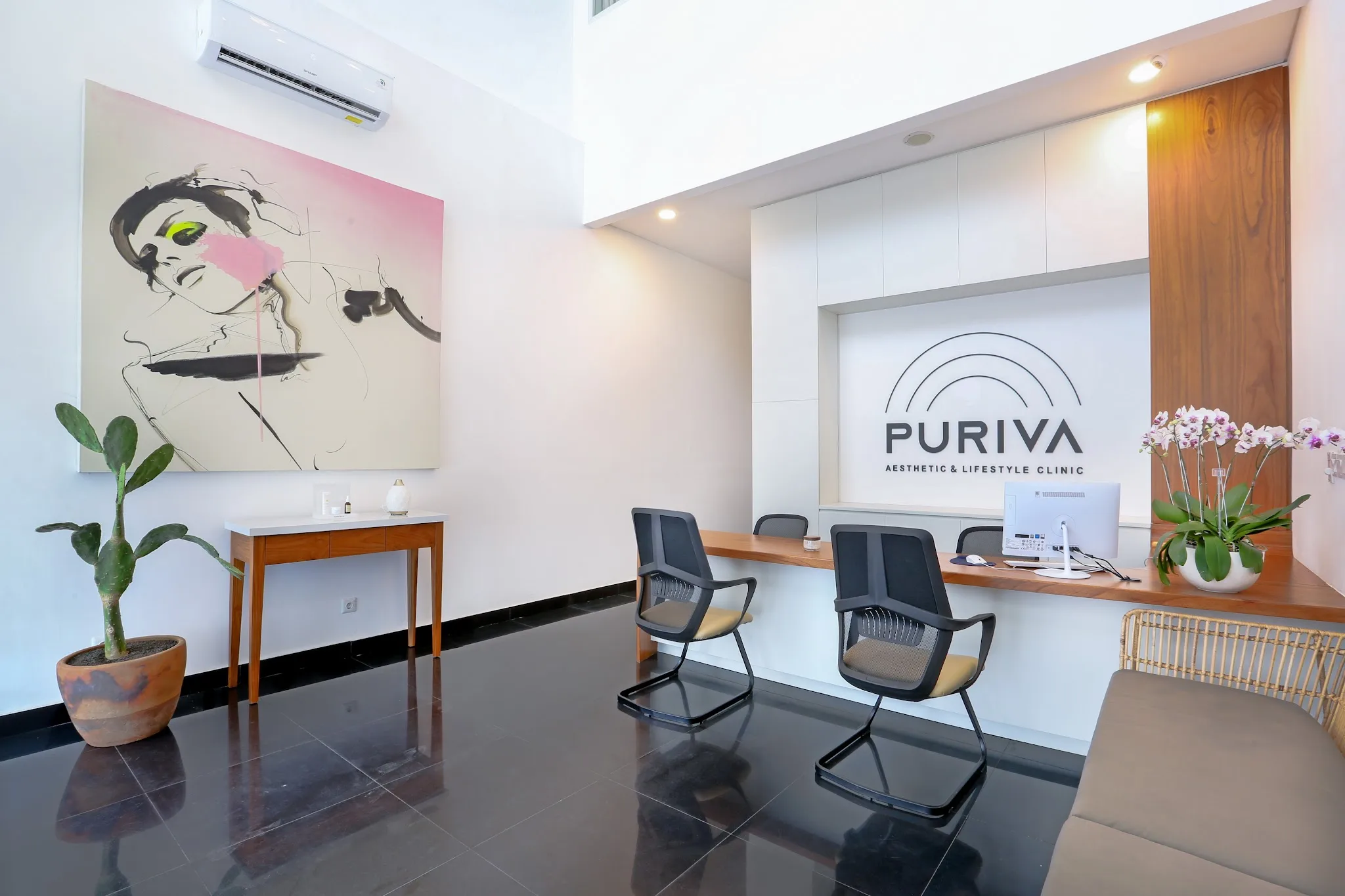
1.Puriva Clinic Bali
Editor's PickA trusted Bali aesthetic clinic led by Dr. Edo Suweta, known for honest consultations, natural results, and a cozy modern setting. Popular with expats and returning visitors for HIFU, botox, and facial treatments.
1.Puriva Clinic Bali
Editor's PickA trusted Bali aesthetic clinic led by Dr. Edo Suweta, known for honest consultations, natural results, and a cozy modern setting. Popular with expats and returning visitors for HIFU, botox, and facial treatments.
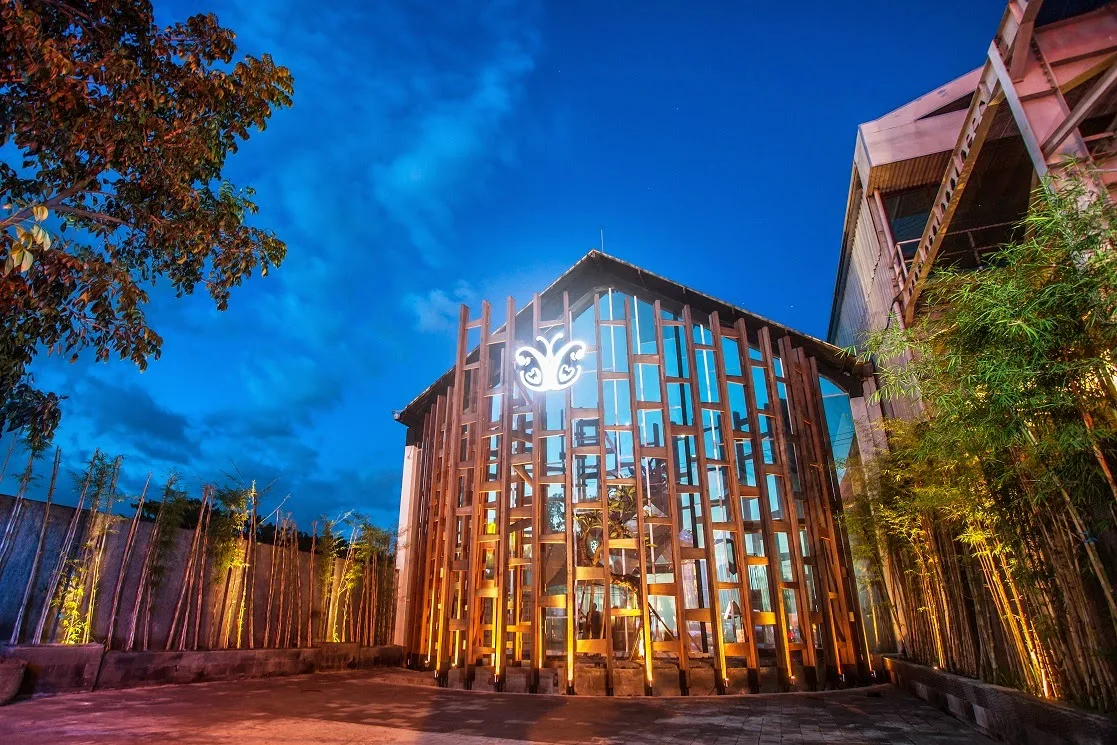
Cocoon's flagship Bali location pairs Botox, laser, and RF tightening with colon hydrotherapy and body treatments. Dr. Ivan and Dr. Josie lead a 4.9-rated team across 300 reviews.
Cocoon's flagship Bali location pairs Botox, laser, and RF tightening with colon hydrotherapy and body treatments. Dr. Ivan and Dr. Josie lead a 4.9-rated team across 300 reviews.
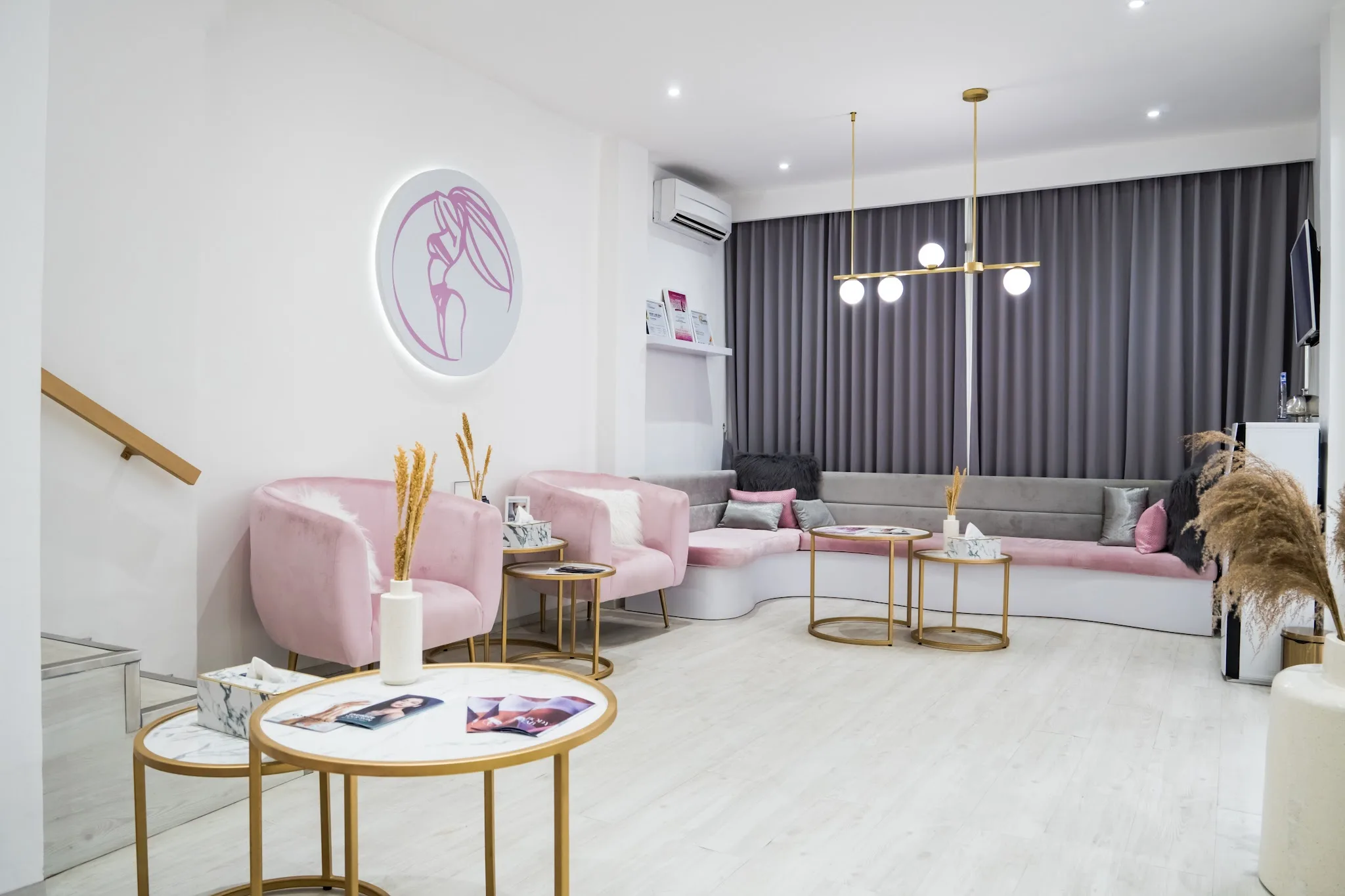
Body Lab Seminyak has a 4.9 rating and a loyal client base dating back to 2020. Dr. Irene leads a polished team known for Botox precision, hydrofacials, and HIFU in one of Bali's most beautifully designed clinics.
Body Lab Seminyak has a 4.9 rating and a loyal client base dating back to 2020. Dr. Irene leads a polished team known for Botox precision, hydrofacials, and HIFU in one of Bali's most beautifully designed clinics.
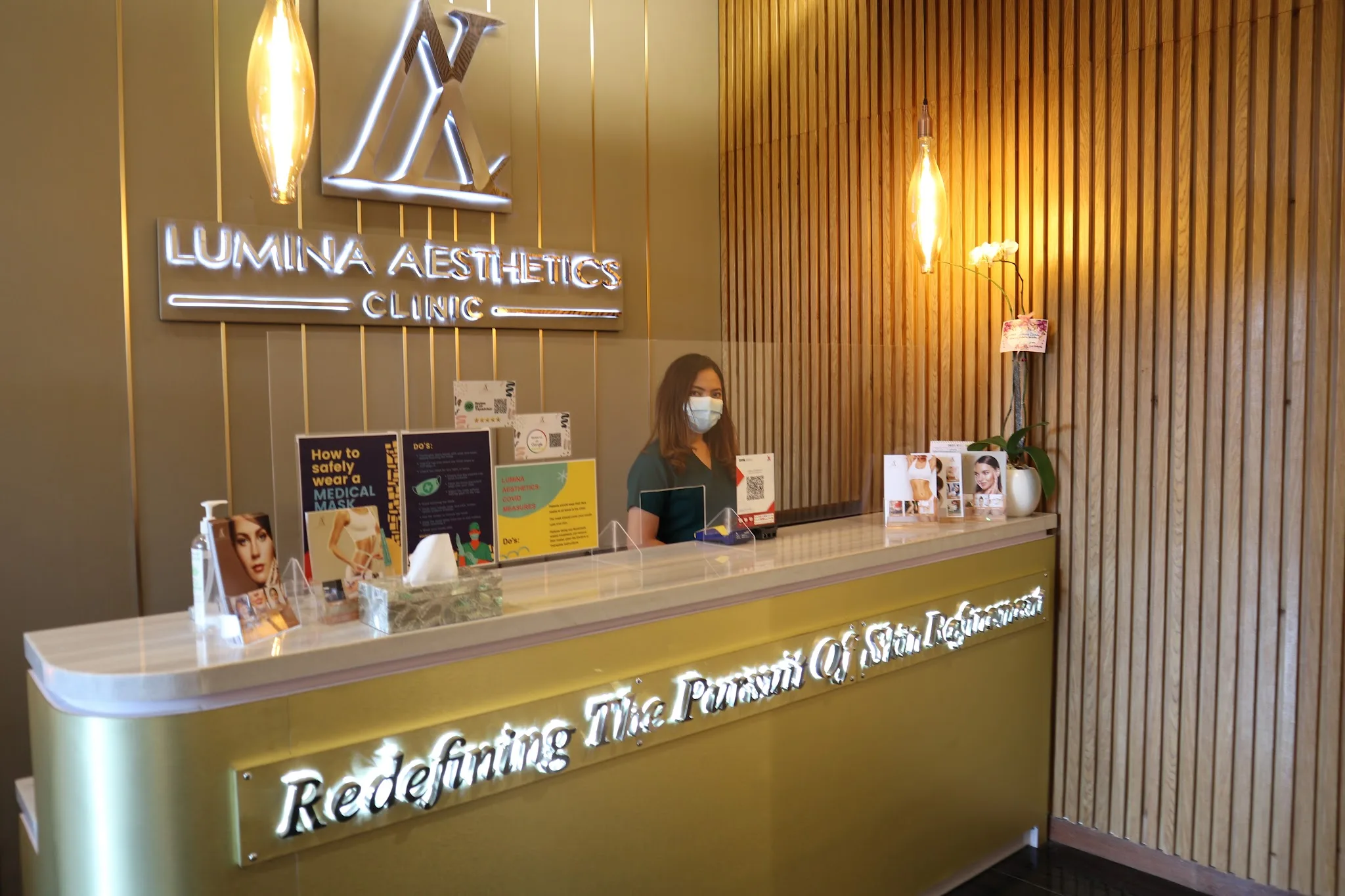
A 4.9-rated Bali aesthetic clinic with a strong no-hard-sell reputation, drawing repeat clients from Singapore and Australia. Facials, RF tightening, and Allergan Botox are among the most booked services.
A 4.9-rated Bali aesthetic clinic with a strong no-hard-sell reputation, drawing repeat clients from Singapore and Australia. Facials, RF tightening, and Allergan Botox are among the most booked services.
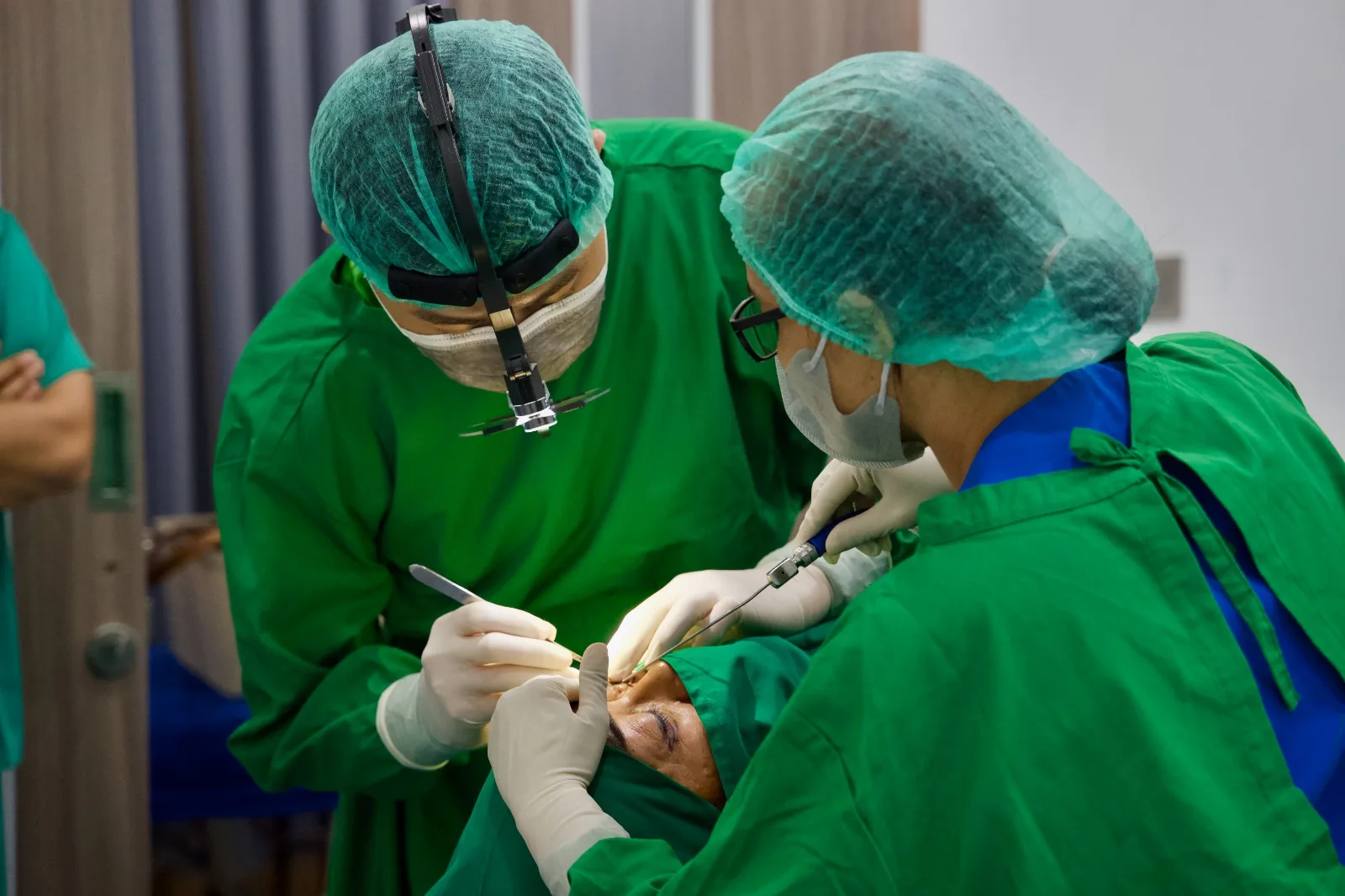
A perfect 5-star clinic with 300 reviews, led by Dr Anita and Dr Lhianna. Competitive pricing and detailed pre-treatment consultations are the most cited strengths across a broad range of services.
A perfect 5-star clinic with 300 reviews, led by Dr Anita and Dr Lhianna. Competitive pricing and detailed pre-treatment consultations are the most cited strengths across a broad range of services.
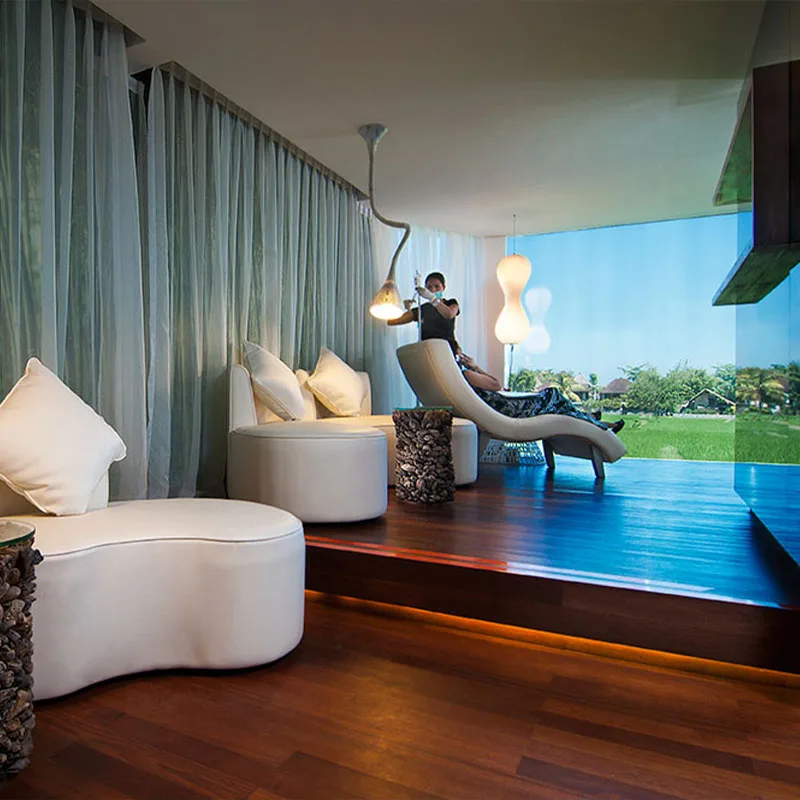
Dr. Yusta is named in nearly a third of all reviews at Cocoon Ubud, where a 4.9 rating across 300 reviews reflects consistent, genuine results in a peaceful Ubud setting.
Dr. Yusta is named in nearly a third of all reviews at Cocoon Ubud, where a 4.9 rating across 300 reviews reflects consistent, genuine results in a peaceful Ubud setting.
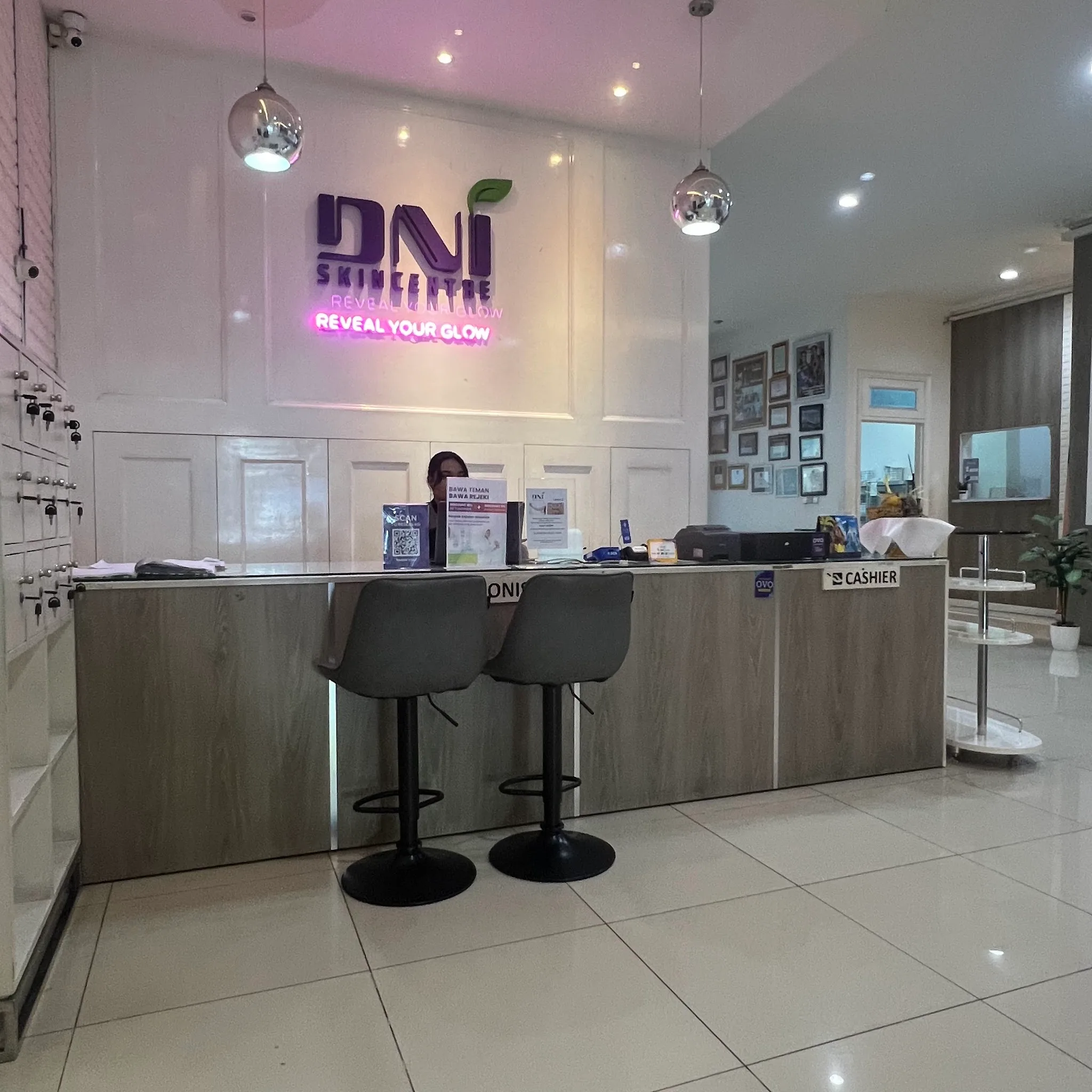
DNI Skin Center stands out for affordable, value-driven treatments with a 4.7-star rating from 300 reviews. Dr. Darma leads a cheerful team offering facials, skin boosters, acne care, and body contouring.
DNI Skin Center stands out for affordable, value-driven treatments with a 4.7-star rating from 300 reviews. Dr. Darma leads a cheerful team offering facials, skin boosters, acne care, and body contouring.
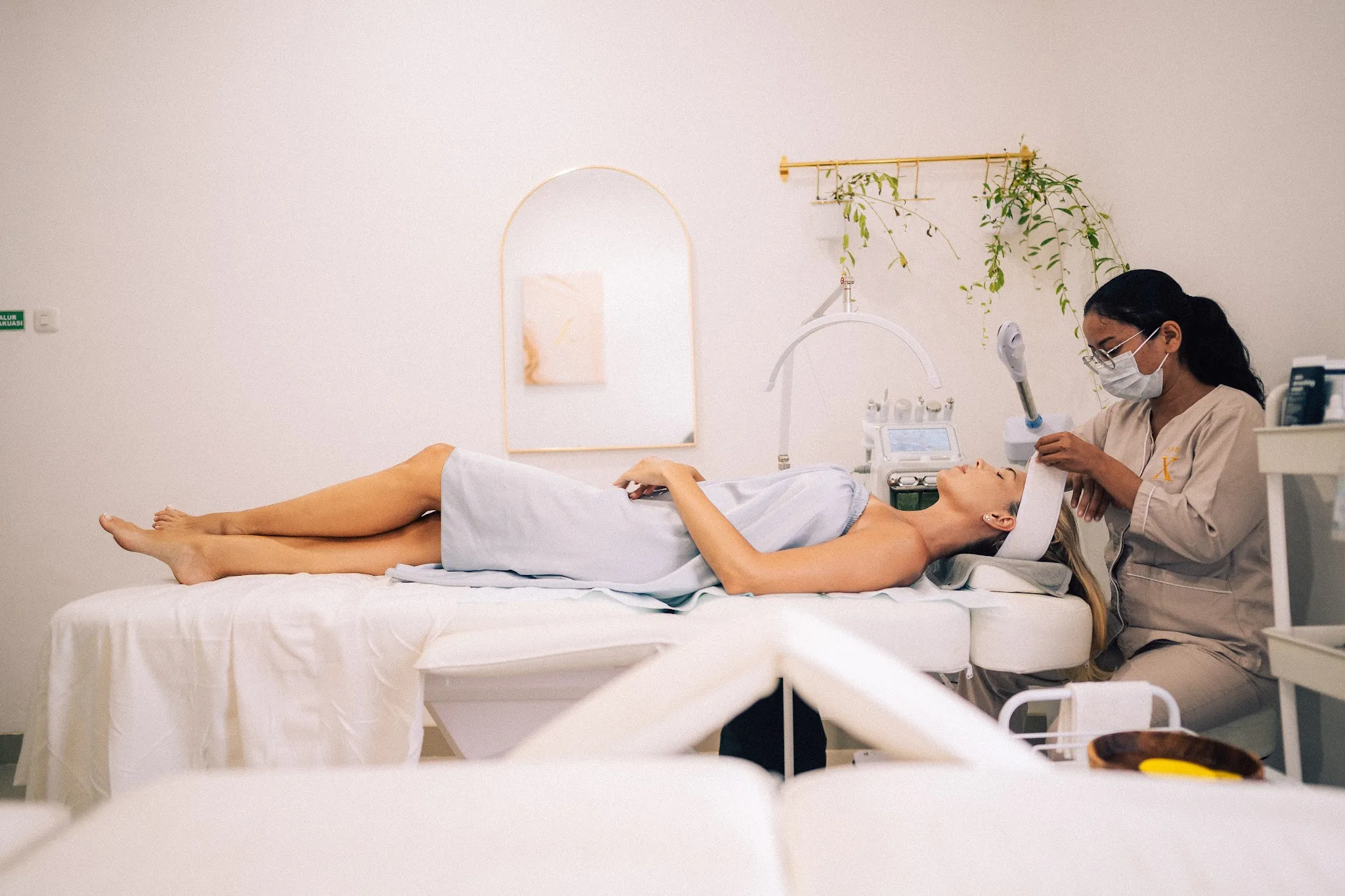
Dr. Karina leads a 4.9-rated clinic offering Botox, PDO threads, and IV drip therapy. The immune-boosting IV drip is popular with travelers, including those recovering from Bali Belly.
Dr. Karina leads a 4.9-rated clinic offering Botox, PDO threads, and IV drip therapy. The immune-boosting IV drip is popular with travelers, including those recovering from Bali Belly.
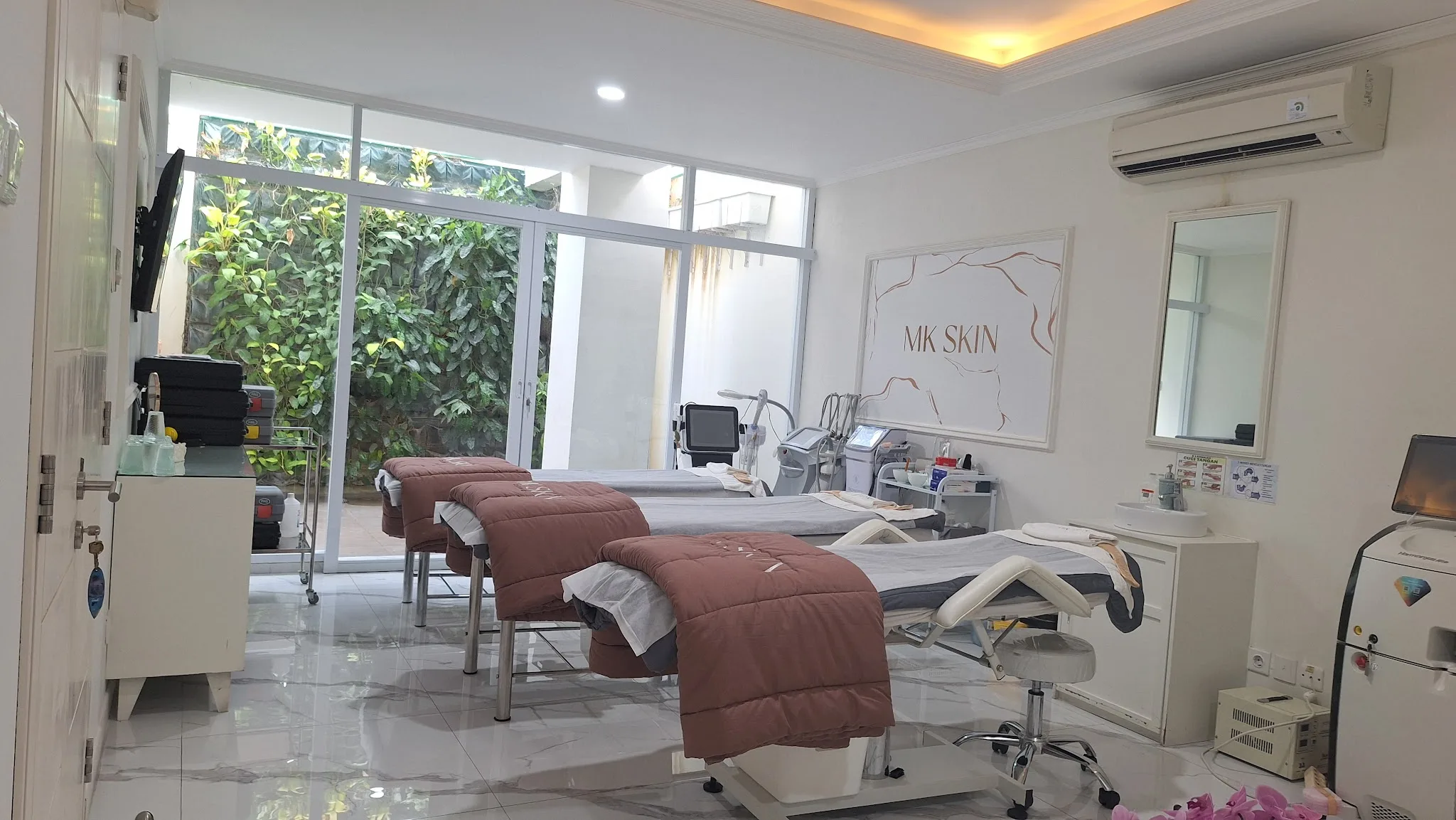
Part of the MS Glow franchise network, MK Skin Clinic Bali offers accessible facials, laser, and skin treatments in a clean modern setting. Known for friendly, efficient service and consistent results across visits.
Part of the MS Glow franchise network, MK Skin Clinic Bali offers accessible facials, laser, and skin treatments in a clean modern setting. Known for friendly, efficient service and consistent results across visits.
Dr Jesslyn leads this 4.9-star Bali skin specialist clinic with standout laser and facial results. With 300 total reviews, it is one of the most reviewed aesthetic clinics on the island.
Dr Jesslyn leads this 4.9-star Bali skin specialist clinic with standout laser and facial results. With 300 total reviews, it is one of the most reviewed aesthetic clinics on the island.
The best 10 of 52 Bali aesthetic clinics for Energy-Based Devices, with published prices where available. Prices verified April 2026. Data source: clinic websites. Always confirm current pricing with the clinic directly before treatment.
Showing the best 10 of 52 clinics. See all 52 clinics →
Run an aesthetic clinic in Bali? Ask us about being listed on this page
What Are Energy-Based Treatments?
Energy-based devices use different forms of energy delivered at controlled depths to stimulate collagen remodelling, tighten skin, reduce fat, improve texture, and treat pigmentation. HIFU (High Intensity Focused Ultrasound) is the most popular non-surgical lifting treatment in Bali, reaching the SMAS layer (the same layer targeted in surgical facelifts) at 3.0mm and 4.5mm depths. Branded HIFU devices available in Bali include Ultraformer III, Liftera, and Doublo, alongside generic machines with varying effectiveness. Radiofrequency (RF) treatments like Thermage and Morpheus8 use heat to stimulate collagen in the dermis and subdermis. Morpheus8 combines microneedling with RF for both skin tightening and texture improvement. Laser treatments address specific concerns: Q-switched and picosecond lasers treat pigmentation and tattoo removal, fractional CO2 and erbium lasers resurface skin and treat scarring, and IPL (Intense Pulsed Light) addresses sun damage, redness, and vascular lesions. Most energy-based treatments require minimal downtime (one to three days of redness or swelling), though fractional laser resurfacing may require five to seven days of recovery. A series of treatments is often recommended for optimal results, with maintenance sessions every six to twelve months.
What Affects Energy-Based Device Prices in Bali?
The specific device used is the biggest cost variable and one of the most important things to verify before booking. Branded, FDA-cleared devices like Ultraformer III, Thermage, and Morpheus8 have validated energy delivery systems and clinical evidence, but they cost significantly more than generic or off-brand machines that may look similar in marketing materials. Always ask the clinic to name the exact device and verify it is the genuine article. The treatment area size directly affects price: a full face HIFU session costs more than lower face and jawline only. The number of shots or lines delivered in a HIFU session determines both the result and the price, with higher shot counts providing better coverage. For laser treatments, the type of laser (picosecond, Q-switched, fractional CO2) and the number of passes determine cost. Combination treatments that use multiple modalities in one session (such as HIFU plus RF, or laser plus microneedling) are priced at a premium. The practitioner operating the device matters: doctor-operated treatments typically cost more than those performed by trained therapists, though both are common in Bali.
Compare individual brands: Sylfirm X →, Ultraformer MPT →, HIFU →
Popular areas for this treatment include Seminyak, Kuta, and Denpasar, where most clinics are concentrated.
Related Articles
Price Guide
HIFU in Bali: Non-Surgical Facelift Prices and Clinics
Compare Ultraformer, Liftera, and other HIFU devices across Bali clinics. Full face from IDR 2,500,000.
Read more →Price Guide
How Much Do Aesthetic Treatments Cost in Bali vs Australia?
Side-by-side price comparison for 12 treatments including Botox, fillers, HIFU, threadlifts, and laser. Real clinic data.
Read more →Frequently Asked Questions
HIFU pricing in Bali spans a wide range depending on the device and area treated, from around IDR 250,000 for a small area up to IDR 15,400,000 for a premium branded device like Ultherapy. Full-face HIFU typically runs IDR 3,500,000 to IDR 8,000,000. See our dedicated HIFU price guide for a full device-by-device breakdown across every clinic that publishes pricing.
HIFU results typically last 12 to 18 months. The treatment stimulates new collagen production, so results improve over 2 to 3 months after treatment and peak at around 6 months.
HIFU uses focused ultrasound to reach the deepest tissue layers (SMAS) for lifting. RF microneedling uses radiofrequency energy delivered through tiny needles to tighten and texture the mid-layers of skin. HIFU is better for overall lifting; RF microneedling is better for skin texture, pores, and acne scars.
HIFU can be uncomfortable, particularly around the jawline and forehead where the bone is close to the surface. Most clinics in Bali apply numbing cream beforehand. The discomfort is temporary and subsides immediately after treatment. Pain tolerance varies between patients.
Ultraformer and Liftera are the most common premium HIFU devices in Bali, both Korean-made, with Ultherapy available at select clinics as the premium original. Some clinics use generic HIFU machines at lower prices. Always ask which specific device the clinic uses and check that it is a genuine branded unit. See our dedicated HIFU price guide for a device-by-device comparison.
HIFU has virtually no downtime. RF microneedling may cause mild redness for 1 to 3 days. Laser treatments vary: gentle lasers have no downtime while ablative lasers may require 5 to 7 days of recovery. Your practitioner will advise based on the specific treatment.
Yes, but most practitioners recommend waiting at least 2 to 4 weeks after filler injections before HIFU treatment. The heat from HIFU can theoretically affect filler placement. Discuss your recent treatments during your consultation.
IPL (Intense Pulsed Light) treats pigmentation, sun damage, redness, broken capillaries, and mild skin rejuvenation. It is not a laser but uses broad-spectrum light. It works best on fair to medium skin tones and is a good option for overall complexion improvement.
Most patients see good results after 3 to 4 sessions spaced 4 to 6 weeks apart. Maintenance treatments every 6 to 12 months help sustain results. For acne scarring, up to 6 sessions may be recommended.
Some lasers are safe for all skin types, including Nd:YAG and certain diode lasers. IPL and some ablative lasers carry a higher risk of hyperpigmentation on darker skin. Always discuss your skin type with the practitioner and confirm they have appropriate devices for your complexion.
Energy-based treatments in Bali cost 60 to 85% less than in Australia. A full face HIFU session costing AUD $1,500 to $3,000 in Australia runs AUD $120 to $350 in Bali. RF microneedling sessions are similarly discounted.
Ready to Compare Clinics?
Browse all 52+ clinics side by side.